
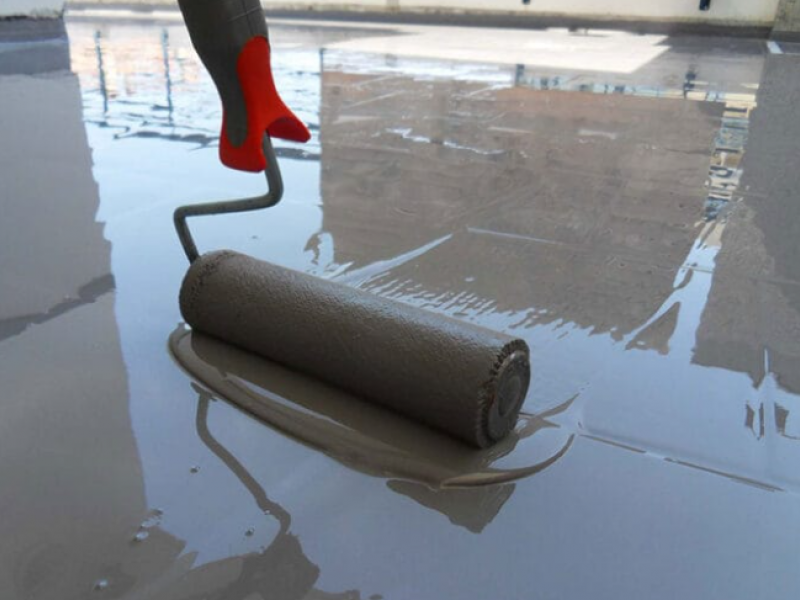
In contemporary construction, protecting buildings from water ingress is critical to ensuring structural longevity and safety. Traditional waterproofing materials—such as asphalt felt or sheet membranes—often leave seams and joints that are vulnerable to leaks over time. Liquid Waterproofing Membranes (LWM) have emerged as the industry-standard solution to these challenges, providing a seamless, elastomeric barrier designed for complex architectural geometries.
What is a Liquid Waterproofing Membrane?
A liquid membrane is a monolithic, fully bonded coating applied as a liquid that cures into a durable, rubber-like elastomeric membrane. Applied via roller, squeegee, or airless spray, it contours precisely to any substrate—eliminating weak points, laps, and mechanical fixings.
These systems are typically engineered using advanced polymer bases, including:
-
Polyurethane (PU): High durability, exceptional elasticity, and UV resistance for exposed roofs.
-
Acrylic: Cost-effective and reflective, ideal for low-slope roofs and warm climates.
-
Bitumen-Modified Rubber: Heavy-duty protection designed for sub-grade walls, foundations, and wet areas.
Key Advantages for Commercial & Residential Projects
-
Seamless Integration: Creates a continuous, joint-free protective layer, eliminating the risk of seam failure—the leading cause of traditional waterproofing leaks.
-
High Elasticity & Crack-Bridging: Formulated to stretch and contract with thermal movement and minor structural settling without cracking or rupturing.
-
Superior Adhesion: Bonds directly to concrete, masonry, metal, and existing roofing substrates, preventing water tracking underneath the layer.
-
Ease of Application on Complex Shapes: Ideal for penetrations, pipes, parapets, and irregular geometries where sheet membranes are difficult to detail.
-
Cold-Applied Safety: Requires no open flames or torch-on installation, making it safer for occupied buildings and urban job sites.
Primary Applications
-
Flat & Low-Slope Roofs: Direct exposed coating or as an underlayment for green roofs and solar installations.
-
Wet Areas: Beneath tiles in bathrooms, kitchens, balconies, and terraces.
-
Sub-Structure & Foundations: Retaining walls, basements, and underground structures exposed to hydrostatic pressure.
Selecting the right liquid membrane formula depends on factors like UV exposure, traffic levels, and climate conditions. Properly applied liquid waterproofing provides superior, long-term asset protection against water damage.

